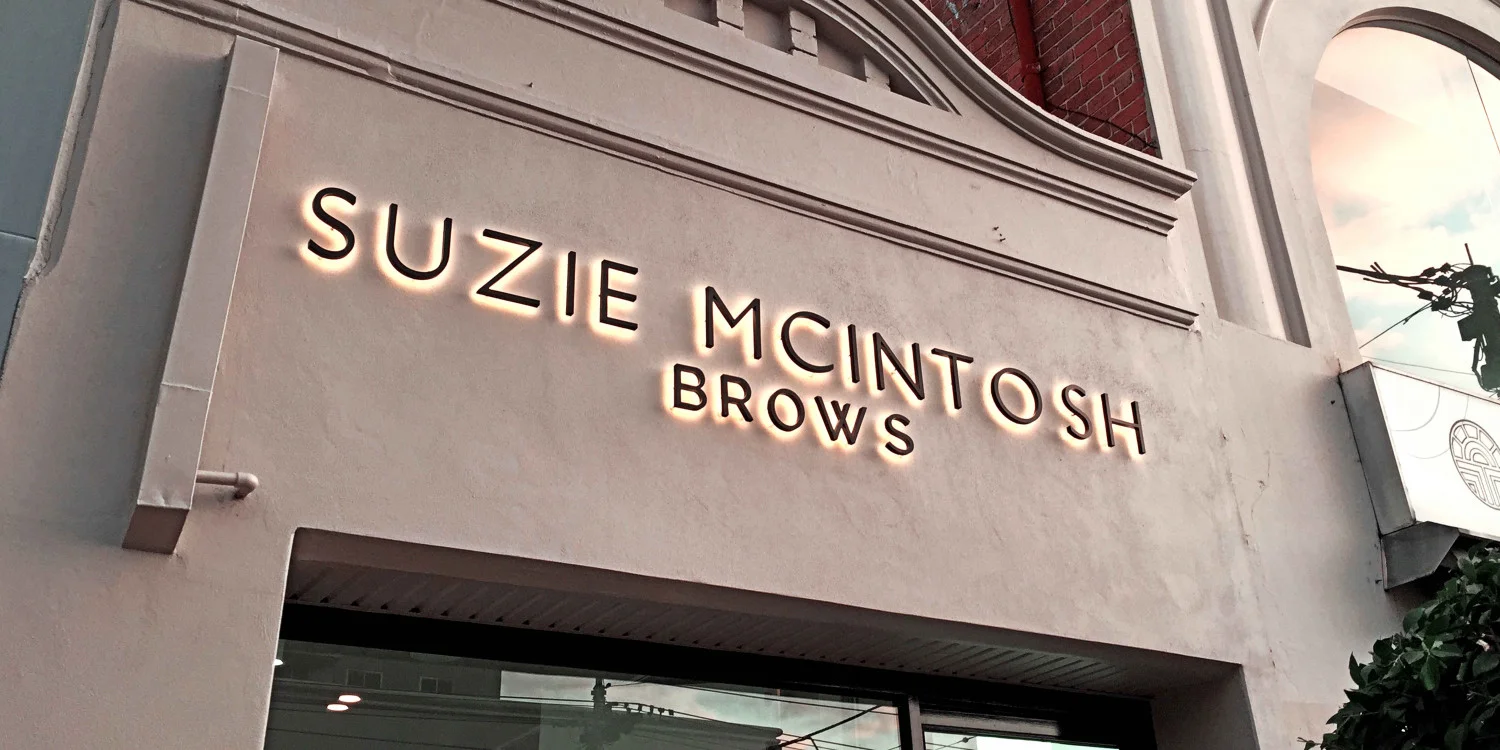



Business Relocation Signage: Planning Shopfront Signs for a Smooth Melbourne Move
27 Aug 2026 by Signarama St Kilda



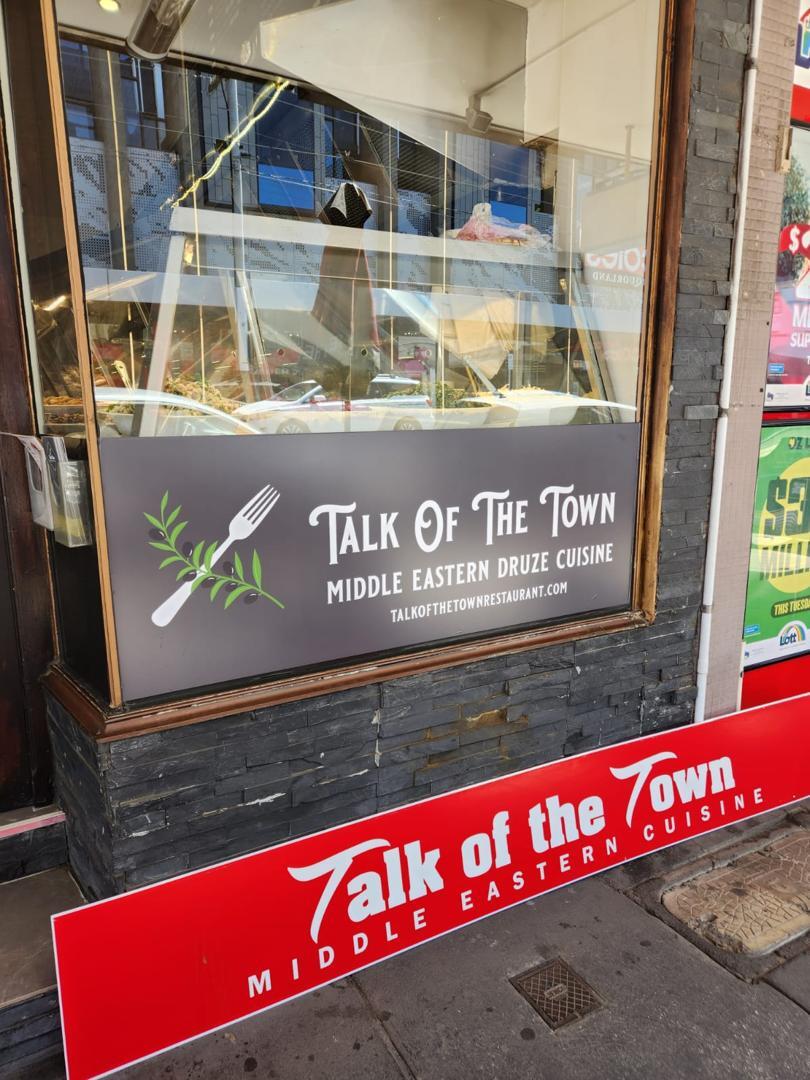
Moving a business is a big job. Between the lease, fit-out, trades, utilities, staff, stock, booking systems and opening date, signage can easily get pushed to the end of the list.
That is where problems start.
For many Melbourne businesses, business relocation signage is not a final decoration. It is part of making the new site operational. Your shopfront signs help customers find you. Your window graphics explain who you are. Your internal signs help people move through the space. Your compliance signage supports safety. Your old signage needs to be removed properly when you leave the previous site.
Whether you are opening a retail store, relocating a clinic, fitting out a food business or moving a service-based operation, signage should be planned early.
At Signarama St Kilda, we work with businesses across St Kilda, South Yarra, Prahran, Windsor, Balaclava, Elsternwick, Armadale, Toorak and surrounding Melbourne suburbs. We understand the practical details that come with moving premises in inner-city areas, from landlord approvals and body corporate requirements to council considerations, shopfront visibility and installation timing.
This guide explains what to consider before, during and after your move.
Why Business Relocation Signage Should Be Planned Early
When a business moves, signage often touches several parts of the project.
It may involve:
Site measurements
Artwork updates
Brand changes
Landlord approval
Body corporate approval
Shopping centre approval
Council permit checks
Electrical planning for illuminated signs
Removal of old signage
Production lead times
Installation access
Coordination with builders or fit-out trades
If signage is left too late, the business can end up with temporary signs, rushed artwork, limited material options or an unfinished shopfront on opening day.
That can affect the first impression of the new location.
A new tenancy should feel ready. Customers should know they are in the right place. A clinic should feel professional and easy to navigate. A cafe should look open and inviting. A retail store should be visible from the street. A service-based business should look established from day one.
Good signage planning helps make that happen.
Check the Lease, Landlord and Body Corporate Requirements First
Before committing to shopfront signs, window graphics or illuminated signage, it is important to check what the site allows.
In Melbourne, many tenancies have signage conditions built into the lease, building rules or strata requirements. A landlord may control where signs can go, what size they can be, how they are fixed and whether they need to match other tenants.
In shopping centres or managed retail precincts, there may be a signage style guide. This can cover fascia signs, blade signs, window coverage, illumination, colours and installation access.
In strata buildings, signage may need approval from the owners corporation or building manager, especially if the sign is on common property, shared frontage, external glazing or a directory board.
This step matters because changing signage after production can be expensive.
Before manufacturing starts, it is worth confirming:
Who needs to approve the signage?
Are there restrictions on size or placement?
Can signage be fixed into the facade?
Are illuminated signs allowed?
Are window graphics permitted?
Are there rules for A-frames or footpath signs?
Does the building require a specific installation method?
Does the sign need to match existing signage?
At Signarama St Kilda, we can help prepare clear signage concepts, dimensions and product details for landlord or body corporate review.
Council Permits and Local Melbourne Signage Rules
Signage rules can vary depending on the council, location, sign type and building.
In areas around St Kilda, many businesses sit within the City of Port Phillip. Nearby businesses may fall under City of Melbourne, Stonnington, Glen Eira, Bayside or other councils depending on the exact address.
Some signs may not need a permit. Others may require planning approval, footpath permits, building considerations or additional checks if the property is in a heritage area or has specific planning controls.
Common signage items that may trigger checks include:
New fascia signs
Illuminated signs
Projecting signs
Above-awning signs
Wall signs
Large window graphics
A-frame signs on footpaths
Banners
Signs attached to buildings
Signs visible from public land
For example, an A-frame on a footpath is different from a vinyl logo on an internal glass door. A small internal reception sign is different from a large illuminated shopfront sign. A sign on private glass is different from a sign placed on council land.
The safest approach is to check early, especially if the sign is external, illuminated, large, projecting, placed on a footpath or part of a heritage-sensitive building.
We regularly help clients understand what information may be needed for signage approval, such as drawings, dimensions, materials, installation details and artwork.
Removing Old Signage When Vacating a Site
If you are leaving an old premises, signage removal should be part of your exit plan.
Many leases require the tenant to remove business signage and make good the site before handover. That may include removing vinyl graphics, fascia panels, acrylic letters, illuminated signs, window decals, wall graphics, A-frames, internal signs or reception branding.
It is also important to remove anything that could confuse customers after you move.
Old signage left behind can create problems such as:
Customers going to the wrong address
The new tenant inheriting your branding
Lease make-good issues
Damage from rushed removal
Extra costs at the end of the tenancy
Outdated Google or social media photos showing the old site
Signage removal needs to be handled carefully. Some signs can be removed cleanly. Others may leave adhesive, holes, paint marks or surface damage. Illuminated signs may require an electrician to disconnect power safely.
If you are moving premises, it is worth booking signage removal early rather than leaving it for the last week of the lease.
Updating an Existing Tenancy
Not every move involves a brand-new fit-out. Many Melbourne businesses take over an existing shop, clinic, office or hospitality site.
This can be a smart way to reduce fit-out costs, but the signage needs careful attention.
If the previous tenant’s signage is still visible, the new business may look unfinished or unclear. Even small details such as faded window decals, old opening hours, outdated stickers or mismatched panels can make the new business feel temporary.
When taking over an existing tenancy, check:
Is the old fascia sign still in place?
Can the existing sign panel be reused?
Are old vinyl graphics still on the windows?
Are there ghost marks from removed lettering?
Are there existing lightboxes or frames?
Does the internal wayfinding still make sense?
Are the old compliance signs still correct?
Do the directories need updating?
Are there old tenant names on doors, mailboxes or parking signs?
Sometimes the most cost-effective approach is to reuse existing sign structures and replace only the face, vinyl or lettering. Other times, a fresh sign is needed to properly suit the new brand.
This is where a site inspection can be very useful.
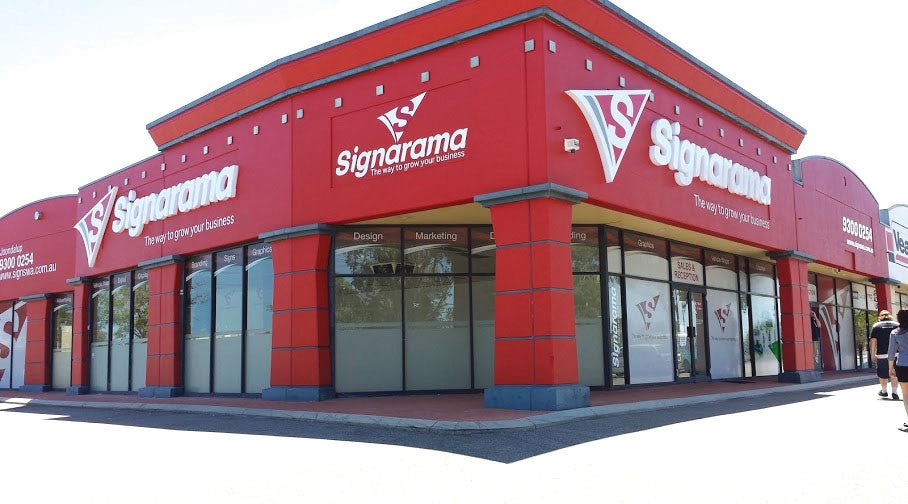
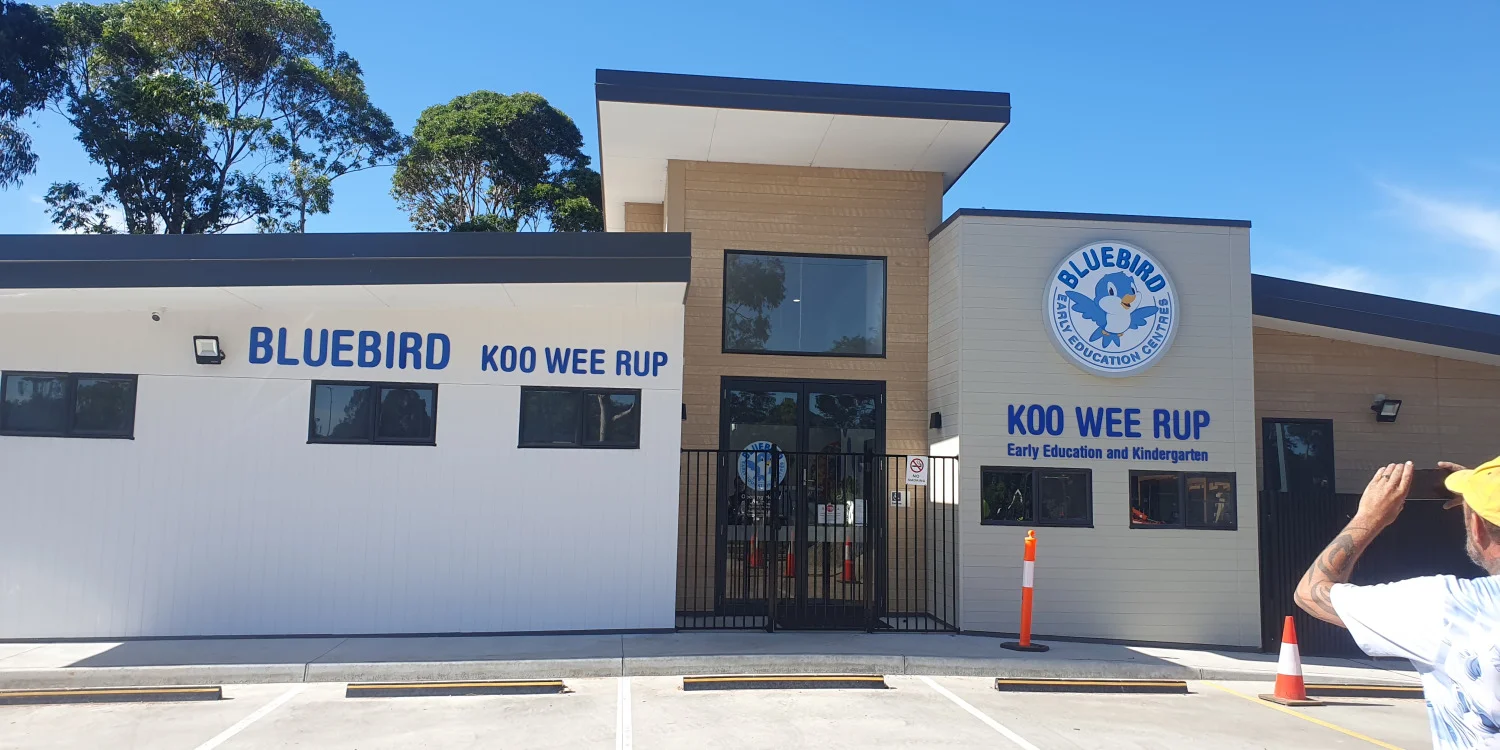
Shopfront Signs for a New Location
Your shopfront is often the first public announcement that your business has moved, opened or changed.
Strong shopfront signs help customers understand three things quickly:
Who you are
What you offer
Whether you are open and ready for business
For businesses relocating across Melbourne, shopfront signage may include:
Fascia signs
3D lettering
Acrylic or metal letters
Illuminated signs
Lightboxes
Window graphics
Frosted window film
Opening hours decals
Door graphics
Blade signs
A-frame signs
Promotional banners
The right mix depends on the site.
A clinic on a main road may need clear building identification and privacy frosting. A cafe may need an illuminated sign, menu display and A-frame. A retail store may need window graphics and promotional messaging. A service-based business in an upstairs office may need directory signage and wayfinding from the street.
Good shopfront signage Melbourne businesses can rely on should be readable, durable, aligned with the brand and suitable for the building.
Retail Businesses: Make the New Store Easy to Find and Understand
Retail customers make quick decisions from the street.
When a store moves to a new location, customers need clear signals. They need to know the business has moved, what is offered and where to enter.
Retail relocation signage may include:
New fascia signage
Window graphics
Sale or opening promotion signage
A-frames
Door decals
Opening hours
Internal wall graphics
Product category signs
Change room or counter signage
If you are moving from one retail strip to another, consider how people approach the new site. Visibility from the footpath, road, nearby parking and public transport can all affect sign placement.
In areas such as Chapel Street, Carlisle Street, Acland Street, Fitzroy Street, Glen Huntly Road and High Street, your signage needs to work in a busy visual environment. The goal is not always to be the loudest. The goal is to be clear, professional and easy to recognise.
Clinics and Health Businesses: Privacy, Compliance and Wayfinding Matter
Clinics have different signage priorities to retail shops.
A medical, dental, allied health, beauty or wellness clinic needs to feel professional, calm and easy to navigate. Patients or clients may be visiting for the first time, and poor signage can create unnecessary stress.
Clinic signage Melbourne businesses may need during a relocation includes:
External clinic identification signs
Reception signage
Room numbers or room names
Directional signs
Privacy frosting
Door graphics
Opening hours
Accessible entry information
Safety and compliance signage
Parking or entry instructions
Internal wayfinding
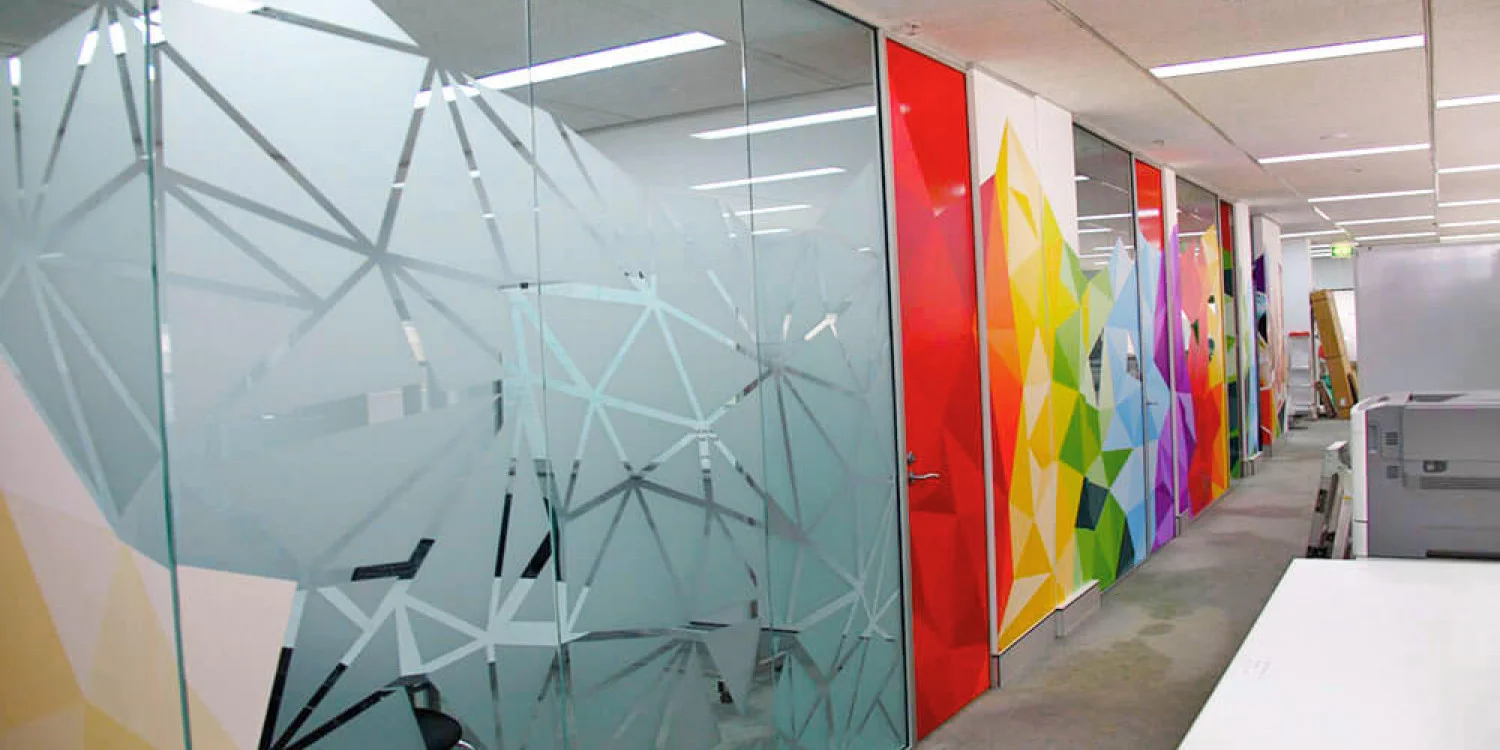
Privacy is often a major consideration. Frosted vinyl can help create privacy for treatment rooms, consultation rooms or reception areas while still allowing natural light into the space.
For clinics in shared buildings, wayfinding is especially important. Patients need to know which entrance to use, which floor to go to and where reception is located.
Leaving this until after opening can create confusion from day one.
Food and Hospitality Businesses: Visibility Across Day and Evening Trade
Food and hospitality businesses often rely heavily on street presence.
For cafes, restaurants, takeaway shops and bars, signage needs to work during different parts of the day. A sign that looks fine at midday may disappear on a dark winter afternoon or during evening trade.
Food business signage may include:
Illuminated shopfront signs
Lightboxes
Menu boards
Window graphics
A-frames
Trading hours signs
Delivery pickup signs
Counter signs
Directional signs
Outdoor banners
Promotional decals
When moving into a hospitality tenancy, timing is critical. Signage often needs to coordinate with fit-out trades, equipment installation, painting, electrical work and opening promotions.
If illuminated signage is planned, electrical requirements should be discussed early. Power access, switching, timers and installation access can all affect the final result.
For food businesses in inner Melbourne, outdoor signage may also need to consider footpath use, landlord rules and council requirements.
Service-Based Businesses: Build Trust From Day One
Service-based businesses can include accountants, consultants, training providers, real estate agencies, finance businesses, repair businesses, education providers, studios and professional offices.
These businesses may not always rely on walk-in trade, but signage still matters.
When clients, suppliers or staff arrive, the space should feel established and easy to find.
Service-based relocation signage may include:
Reception logos
Door signs
Window graphics
Directory signs
Lift lobby signage
Meeting room signs
Privacy frosting
Wall graphics
Wayfinding signs
Parking signs
Staff-only area signs
For service businesses moving into office suites or shared buildings, the main priority is often clarity. People should not have to call from the car park or lift lobby asking where to go.
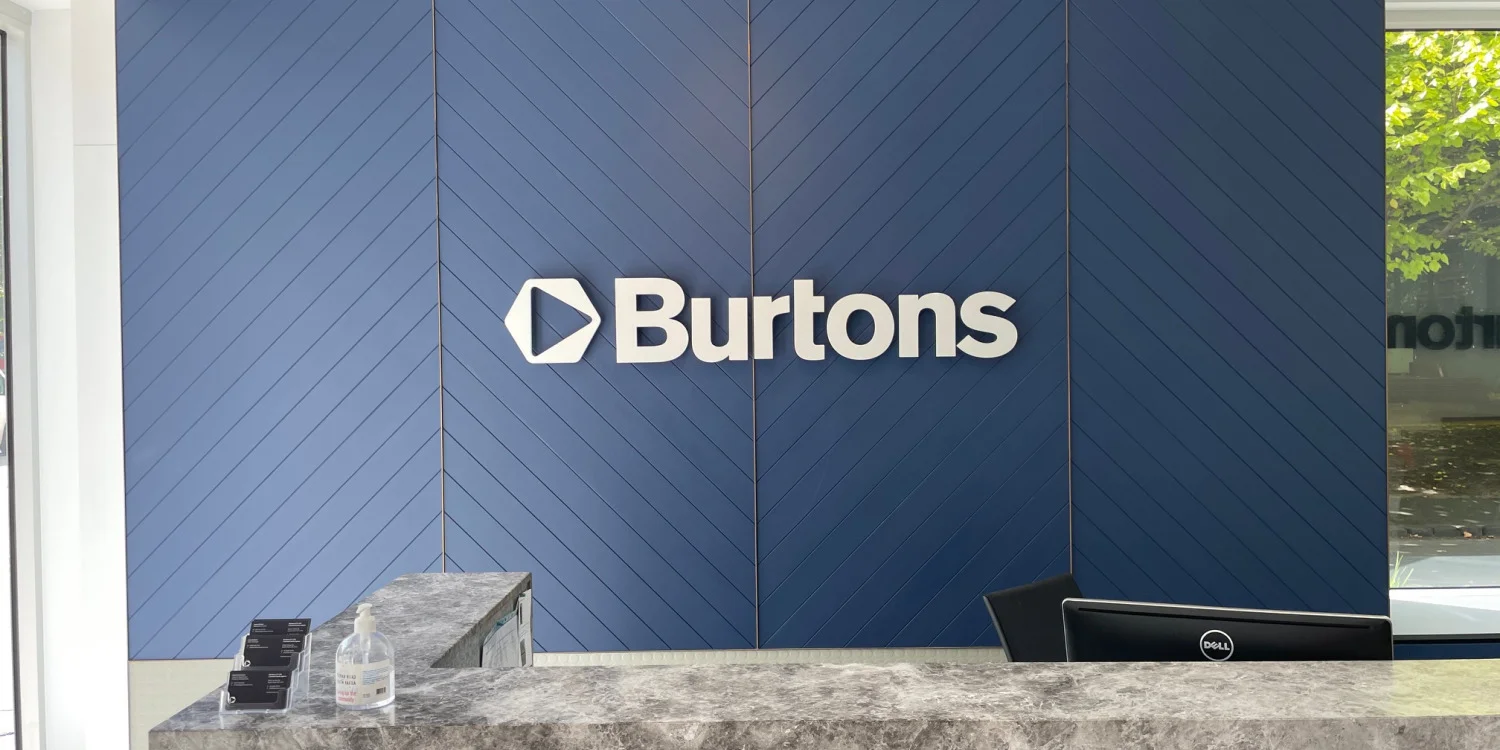
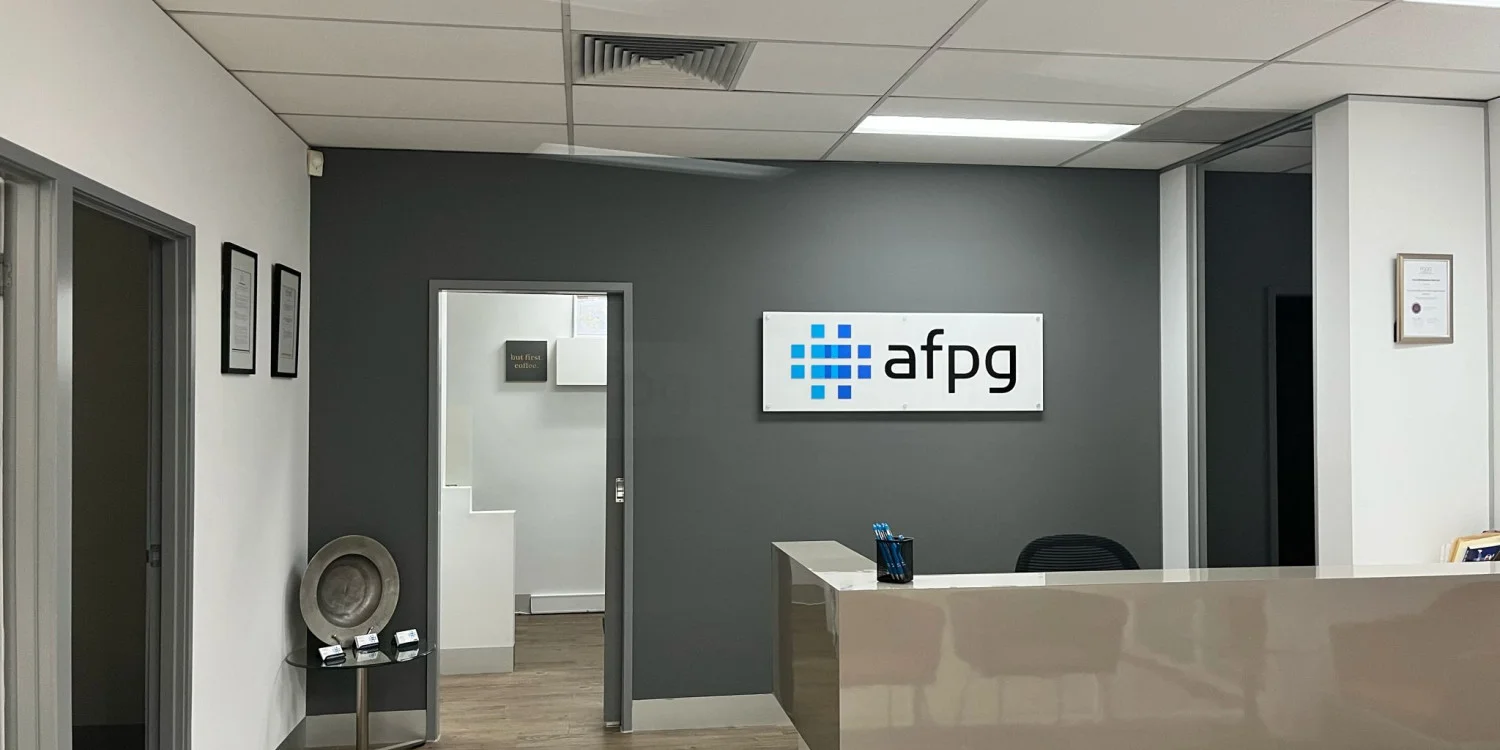
A professional signage package helps the new site feel ready and credible.
Matching New Signage to Lease, Strata and Building Conditions
A sign needs to look good, but it also needs to suit the building.
This is especially important in Melbourne, where businesses often operate from older buildings, mixed-use sites, converted houses, heritage areas, shopping strips and multi-tenancy properties.
Before finalising signage, consider:
Wall and facade condition
Existing sign frames
Glass type and access
Heritage or character requirements
Body corporate rules
Landlord restrictions
Electrical access
Fixing methods
Wind and weather exposure
Footpath clearance
Visibility from the street
Night-time visibility
Removal requirements at lease end
For example, a heavy sign may not suit every facade. A large illuminated sign may not be allowed in every location. A window graphic may be limited by landlord guidelines. A projected sign may require extra approval.
A professional signage review helps identify these issues before production starts.
Timing Signage Around Fit-Out and Opening Dates
A relocation has many moving parts, and signage often depends on other trades being finished.
For example:
Fascia signage may need painting completed first
Window graphics may need glass cleaned and ready
Reception signs may need walls finished
Illuminated signs may need electrical work completed
Directory signs may need final tenant names confirmed
Wayfinding signs may depend on final room layouts
Compliance signage may need to match the final use of the space
If signage is booked too early without final details, changes may be needed. If it is booked too late, opening can be affected.
The best approach is to involve your signage provider early, then confirm production once key site details are locked in.
This allows enough time for artwork, approvals, manufacturing and installation without rushing the final result.
The Cost of Leaving Signage Too Late
Delaying signage can feel like a way to control costs, but it can create extra expense later.
Common problems include:
Temporary signs that need to be replaced
Rushed production
Limited material options
Missed opening deadlines
Reprinting due to late changes
Approval delays
Installation access problems
Poor first impressions
Customers not finding the new site
Staff having to explain directions repeatedly
Old signage still visible at the previous location
The signage does not need to be the most expensive part of the move. But it does need to be planned.
A clear signage plan can help avoid double handling and make sure the business looks ready when the doors open.
How Signarama St Kilda Can Help
At Signarama St Kilda, we help Melbourne businesses manage signage through relocations, new openings and tenancy updates.
We can assist with:
Site review and measurements
Shopfront signage
Fascia signs
3D lettering
Illuminated signage
Window graphics
Frosted vinyl and privacy film
A-frames and promotional signs
Internal signage
Wayfinding signs
Compliance signage
Removal or update of old signage
Artwork and layout
Material recommendations
Production and installation
We work with retail stores, clinics, cafes, restaurants, offices, service businesses, education providers, property managers and fit-out teams.
Our role is to help you choose signage that suits the site, the brand, the timeline and the budget. Sometimes that means a full signage package. Sometimes it means staging the work so the essentials are completed first and extra branding can follow later.
The right solution depends on your business and your location.
Talk to Signarama St Kilda Before You Move
If you are relocating, opening a new site or updating a tenancy, it is worth discussing signage early.
You do not need to have every detail finalised. A quick conversation can help identify what needs approval, what should be measured, what can be reused, what needs to be removed and what should be ready before opening day.
Signarama St Kilda can help you plan practical business relocation signage, from shopfront signs and window graphics to internal wayfinding and compliance signage.
If your business is moving in St Kilda or across Melbourne, contact our team for a clear, no-pressure discussion about your signage needs.
A Practical Final Thought
Moving premises is already stressful enough.
Good signage will not solve every challenge, but it can remove a lot of confusion. It helps customers find you, helps staff settle into the new space and helps the business feel ready from the first day.
If you are trying to manage costs, start with the signage that affects visibility, access, privacy, compliance and customer confidence.
That is where the value usually sits.
At Signarama St Kilda, we can help you work out what needs to happen now, what can wait and how to make your new location look ready for business.


Signarama St Kilda
contact
Signarama St Kilda